


How to Seal Wood Coasters for a Waterproof, Long-Lasting Finish
To seal wood coasters, sand the surface smooth, apply paint or stain, let it dry completely, then brush on two thin coats of a waterproof coating such as polyurethane, shellac, lacquer, or epoxy resin. Let each coat cure fully in a well-ventilated area before use, so spills, condensation, and everyday wear don't damage the wood underneath. The right sealer is what turns a simple DIY coaster into a durable, waterproof coaster that actually protects your furniture.
What You Need to Seal Wood Coasters
Before you seal your coasters, gather a few basic supplies. Most of these are inexpensive and available at any hardware or craft store.
- Wood blanks, plywood squares, or pre-cut coaster rounds (4x4 inches is a common size)
- Fine-grit sandpaper for smoothing the surface before and between coats
- Acrylic paint, wood stain, or a design of your choice
- A foam brush or bristle brush for applying the sealer
- Your chosen sealer: polyurethane, shellac, lacquer, varnish, or epoxy resin
- Cork backing (optional, but useful for protecting tabletops)
How to Seal Wood Coasters Step by Step
Sealing coasters is a simple process, but each step matters if you want a finish that actually holds up to hot mugs and cold, sweating glasses.
- Sand the wood. Start with medium-grit sandpaper and finish with fine-grit to remove rough edges and open the grain so the sealer can soak in evenly.
- Paint or stain the coaster. Apply acrylic paint or a wood stain in thin, even layers. Let each layer dry before adding the next.
- Let the design dry completely. Rushing this step is the most common reason sealers bubble or peel later.
- Apply the first coat of sealer. Brush a thin, even layer over the entire surface, including the edges.
- Sand lightly between coats. A light pass with fine sandpaper removes bumps and helps the next coat adhere.
- Apply a second coat. Two coats are usually enough, though three add extra protection for coasters that will see daily use.
- Allow full curing time. Curing takes longer than drying — give your coasters at least 24 to 72 hours before setting anything on them.
Best Finish for Wood Coasters: Comparing Sealants
There isn't a single best finish for wood coasters — the right sealant depends on the look you want and how much moisture the coasters will face. Here's how the most common options compare.
| Sealant | Water Resistance | Finish | Best For |
|---|---|---|---|
| Polyurethane (water-based or oil-based) | Excellent | Clear, glossy or satin | Everyday drink coasters, high-traffic use |
| Epoxy resin | Best-in-class | Thick, glass-like | Coasters that need a fully waterproof, glossy surface |
| Shellac | Moderate | Warm, natural sheen | Decorative coasters, quick-drying projects |
| Lacquer | Good | Hard, glossy | Painted designs that need a durable topcoat |
| Varnish | Good | Semi-gloss to matte | Natural wood stain finishes |
Polyurethane is the most popular wood coaster sealant because it dries into a hard, water-based or oil-based coating that resists both heat and spills. Shellac dries fast and looks beautiful over a wood stain, but it's less forgiving around condensation, so it suits coasters that see light, occasional use rather than sweating glasses every day. Lacquer and varnish both build a hard shell over paint or stain, while epoxy resin creates the thickest, most waterproof wood coasters of all, at the cost of a longer curing time.
Whichever sealer you pick, work in a well-ventilated area, since polyurethane, lacquer, and shellac all give off strong fumes while they cure. Read the label for exact curing time, because using a coaster before the coating has fully hardened is the most common cause of cloudy or sticky finishes.
Making Coasters Waterproof for Hot and Cold Drinks
A coaster's real job is to stop moisture from reaching your table, which means the sealer you choose directly makes the coasters waterproof. Condensation from an iced drink can seep into unsealed wood just as easily as a direct spill, so don't skip sealing the underside and edges, not just the top. If you're shopping instead of building your own, browse your wooden coasters collection to see finishes that are already sealed and ready for daily use.
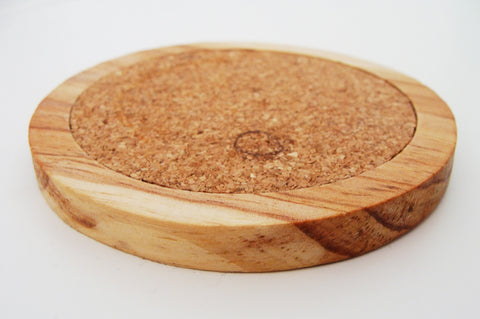
Adding a cork backing after the sealer has cured also helps, since it keeps the coaster from sliding and adds a second layer of protection against moisture reaching your furniture.
DIY Coasters: Coaster Design Ideas and Tips
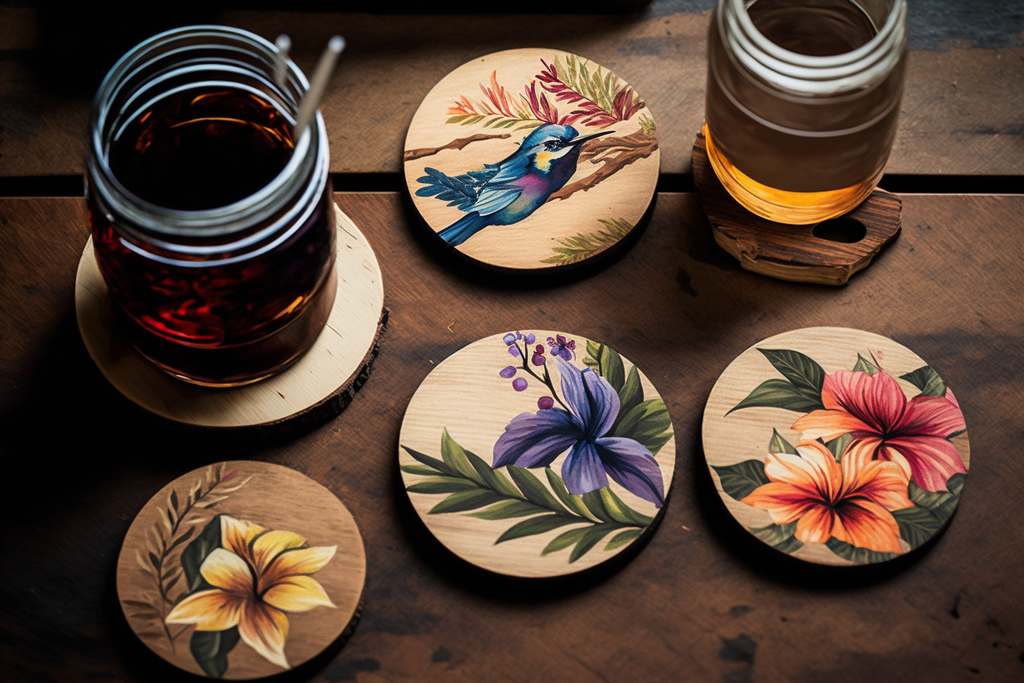
Once you understand how to seal wood coasters, the design possibilities are wide open. Simple geometric patterns, hand-painted mandalas, and stained wood grain all look great once sealed. If you're cutting your own shapes, a plywood blank is easy to work with and takes stain evenly. You can also make the coasters using a cutting machine for clean, repeatable coaster designs before you move on to painting and sealing. For more coaster ideas, try mixing a wood stain base with a painted accent, then finish everything with a single clear sealer so the colors don't clash.
Why You Should Seal Wood Coasters
Sealing protects your paint or stain from chipping and fading, stops water rings from forming, and makes the coaster genuinely waterproof against both hot mugs and cold, sweating glasses. Sealed coasters are also far easier to wipe clean, which matters if you're using them daily for drink coasters at a busy kitchen table. Skipping this step is the main reason handmade coasters look worn out after just a few weeks.
Frequently Asked Questions
How do I make my wood coasters waterproof?
The most reliable way to make wood coasters waterproof is a clear epoxy resin, which forms a thick, glass-like barrier over the wood. Apply a thin layer, let it self-level, and allow at least 24 hours of curing time before using the coasters.
How do you seal coasters after dot painting or mandalas?
Wait until the paint is completely dry to the touch, which can take anywhere from thirty minutes to a few hours depending on the paint. Then apply a generous, even coat of clear sealer, working in small sections so it doesn't dry before you can smooth it out.
What's the best finish for wood coasters?
Polyurethane is generally considered the best finish for wood coasters because it's durable, water-based options are low-odor, and it holds up well to both heat and moisture. Epoxy resin is the better choice if you want a completely sealed, glass-like surface.
Can you seal wood coasters without sanding first?
You can, but sanding removes rough fibers and opens the wood grain so the sealer soaks in and bonds properly. Skipping this step often leads to an uneven coating that peels sooner.
How long should sealer cure before using the coasters?
Most sealers are dry to the touch within a few hours but need 24 to 72 hours of curing time to fully harden. Using coasters too early, especially with hot or sweating glasses, can leave permanent marks in a coating that hasn't cured yet.
With the right sealer, a little sanding, and enough curing time, your handmade coasters will resist spills, condensation, and daily wear for years to come.
ABOUT THE AUTHOR
Aleksandra Djurdjevic
Senior Content Creator
Aleksandra Djurdjevic is a senior writer and editor, covering jewelry, accessories, and trends. She's also works with services, home décor. She has previously worked as ESL teacher for English Tochka. Aleksandra graduated from the Comparative Literature department at the Faculty of Philosophy in Serbia. Aleksandra's love for the environment, crafts and natural products over the years helps her continue to be a top expert at Wooden Earth.