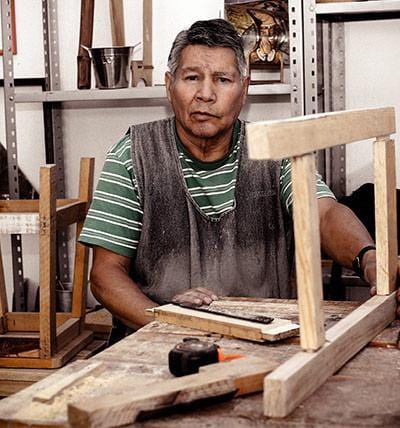



Wooden Dining Tables Still Define the Heart of a Home, Even in a Culture Obsessed With Convenience
Dec, 04Many trends have tried to replace the wooden dining table. Minimalist metal frames, composite surfaces marketed as “modern,” ultra-light furniture designed for quick assembly and even quicker disposal. None of these alternatives hold up once a household starts using the space in earnest.
The dining table carries more responsibility than almost any other piece of furniture, and wood remains the material that can absorb that responsibility without losing integrity.
People gather around wooden tables for reasons that have little to do with nostalgia. Wood holds weight, distributes impact and responds to long-term use with a kind of steady resilience that manufactured surfaces struggle to match. A dining table sees daily traffic from meals, homework sessions, weekend projects, holiday gatherings and every improvised activity a household invents.
Few materials can withstand that combination of routine and unpredictability while maintaining a sense of presence in the room.
Why Wood Continues to Anchor the Domestic Landscape
A wooden dining table changes the atmosphere of a room in a way other materials rarely achieve. The tone of the grain, the feeling of substance when someone rests their hands on it and the grounding effect of real weight create a sense of place that plastic composites and hollow-core alternatives cannot reproduce. Families recognize this difference instinctively. They treat a wood table as a part of the home rather than an accessory that happens to occupy space within it.
This shift from object to anchor is the reason wooden tables remain relevant despite design trends that claim otherwise. A solid surface made from real wood can support the rhythms of a household without demanding careful treatment or constant caution. People lean, stack, rest, push and spill without thinking, and high-quality wood absorbs this without becoming fragile or unstable.
The Problem With Lightweight Trend Furniture

Many contemporary dining tables are designed to look sleek in curated photos but lack the structural integrity required for daily use. These pieces tend to wobble under uneven weight distribution, chip easily at the corners and become unstable as soon as the hardware loosens. Families notice this quickly. A table that shifts whenever someone cuts into a meal or places a laptop on it becomes a reminder of the compromises built into fast furniture. Durability matters not because households expect furniture to last forever but because they expect a dining table to behave consistently.
Stability allows the table to fade into the background of daily life instead of calling attention to its weaknesses. Wood performs this role effectively. Its density and construction reduce the small frustrations that accumulate when a surface cannot handle the demands placed on it.
Wooden Tables Mature Instead of Declining
Most manufactured materials deteriorate in ways that are difficult to hide. Finishes peel, joints loosen, and surfaces warp or discolor unevenly. Wooden dining tables age differently. Use adds a patina that suggests history rather than decline. The surface becomes richer, and the grain reveals more character over time. Small marks do not ruin the piece. They fold into its story and allow the furniture to evolve with the household rather than deteriorate beneath it.
This quality makes wood especially valuable in homes where the dining table functions as a multi-purpose station. The ability to refinish or repair a wooden surface adds longevity and adaptability, which is uncommon in modern composite furniture.
Why Craftsmanship Matters More Than Style
A well-crafted wooden dining table demonstrates its value through daily function rather than aesthetic claims. The joinery provides stability, the weight offers grounded balance and the proportions support a range of uses without feeling cumbersome. Craftsmanship shows up in the way a drawer moves, the way a surface holds pressure and the way the legs maintain structural integrity year after year. Families rarely think about these qualities explicitly, but they feel the difference immediately.
Mass-produced tables rely on visual appeal to compensate for limited durability. High-quality wood furniture does the opposite. It relies on structural integrity that becomes more apparent with time. Subtle design choices, precise construction and thoughtful engineering do not announce themselves. They reveal their importance each time the table endures another season of use without compromising performance.
A Table That Supports a Household Instead of Interrupting It
Homes run on routine, and routines rely on dependable surfaces. A wooden dining table provides that consistency. It supports quiet mornings, busy evenings, unexpected messes and the cumulative wear that comes from real living. The best tables do not demand careful treatment or delicate handling. They hold steady through the shifting demands of a household.
Families often describe their wooden table as the one piece of furniture they never have to second-guess. It remains level. It carries weight evenly. It stays grounded in the room no matter how many chairs scrape around it. This kind of reliability becomes essential once people realize how much of their daily life happens at that surface.
The Case for Choosing Wood Intentionally
Selecting a wooden dining table is not simply a matter of style preference. It is a decision about how the household will function over the next decade. Durable materials shape the atmosphere of a home by reducing frustration and increasing usability. When a piece of furniture maintains its composure through heavy use, it reinforces a sense of order even when life becomes chaotic.
This is why many families eventually turn to solid wood options from trusted makers, like Woodcraft’s wooden dining tables. These pieces allow households to choose longevity, structural stability and craftsmanship rather than settling for disposable alternatives that will require replacement long before the family’s needs change.
A wooden dining table is more than a surface. It is the infrastructure beneath shared meals, conversations, projects and daily routines. Homes change constantly, but a table that can support those changes without complaint becomes one of the few objects that quietly earns its place in the long run.
ABOUT THE AUTHOR
Aleksandra Djurdjevic
Senior Content Creator
Aleksandra Djurdjevic is a senior writer and editor, covering jewelry, accessories, and trends. She’s also works with services, home décor. She has previously worked as ESL teacher for English Tochka. Aleksandra graduated from the Comparative Literature department at the Faculty of Philosophy in Serbia. Aleksandra’s love for the environment, crafts and natural products over the years helps her continue to be a top expert at Wooden Earth.